Marita Vollborn is a German artist and publisher who has created a remarkable collection of sculptures and digital artworks that reflect her views on society, politics, and human nature.
Her project „Sinn und Scherben“ (Sense and Shards) consists of 50 clay and bronze sculptures that depict various aspects of human emotions, such as pain, joy, courage, and love. Her sculptures are not only aesthetically pleasing, but also convey messages and meanings that challenge the viewer to think about their own life and society.
Vollborn has recently transformed some of her sculptures into digital NFT artworks, which are exclusive and rare artworks that can be collected and traded on the blockchain. Vollborn’s NFT artworks are based on photographs of her sculptures, which she digitally enhanced and edited to create unique artworks. She also added animations, music, and sound effects to some of her NFTs to provide collectors with a more intense and interactive experience.
By converting her sculptures into NFTs, Vollborn not only reaches a wider audience and shares her vision and passion with the world, but also ensures that her artworks are exclusive and rare, as each NFT has a limited edition and a verified ownership.
Vollborn’s artistic journey began in 1991, when she moved from East Germany to West Germany after the fall of the Berlin Wall. She studied agriculture at the Humboldt University of Berlin and journalism at the University of Music, Drama and Media Hanover. She worked as a food technologist and then as a freelance science and business journalist for various media outlets, such as Frankfurter Rundschau, Focus, Spiegel Online, and Deutschlandradio. She also wrote several books on topics such as biotechnology, health, consumerism, climate change, and social issues.
Vollborn’s interest in art emerged in 2005, when she started experimenting with paper clay, a material that combines paper pulp and clay. She found this material to be versatile and expressive, as it allowed her to create sculptures that were both realistic and abstract. She also used bronze as a contrast to the fragile paper clay, creating sculptures that combined strength and vulnerability. Vollborn’s sculptures are inspired by her personal experiences, observations, and opinions on various issues that affect her and society at large.
Some of her books are provocative and controversial, such as „Die Joghurt-Lüge“ (The Yogurt Lie), which criticizes the deceptive practices of the food industry; „Die Viren-Lüge“ (The Virus Lie), which questions the role of the pharmaceutical industry in creating fear and profit from diseases; or „Ich bin so frei“ (I Am So Free), which challenges the notion of freedom in a surveillance society.
Her sculptures are more classical and emotional, such as „Die Liebe“ (The Love), which depicts a couple embracing each other; „Der Schmerz“ (The Pain), which shows a woman crying; or „Der Mut“ (The Courage), which portrays a man facing his fears.
In 2021, Vollborn decided to enter the world of digital art by creating NFTs based on her sculptures. NFTs are non-fungible tokens, which are unique digital assets that can be verified and owned by anyone using blockchain technology.
Vollborn saw NFTs as an opportunity to expand her artistic expression and reach new audiences who appreciate art in different forms. She also saw NFTs as a way to preserve her artworks in a digital format that is resistant to decay, damage, or theft. Vollborn created her NFTs by taking photographs of her sculptures and then using various software tools to edit them.
She added colors, filters, effects, texts, animations, music, and sounds to create new artworks that have their own identity and style. Some of her NFTs are faithful reproductions of her sculptures, while others are completely transformed into new creations.
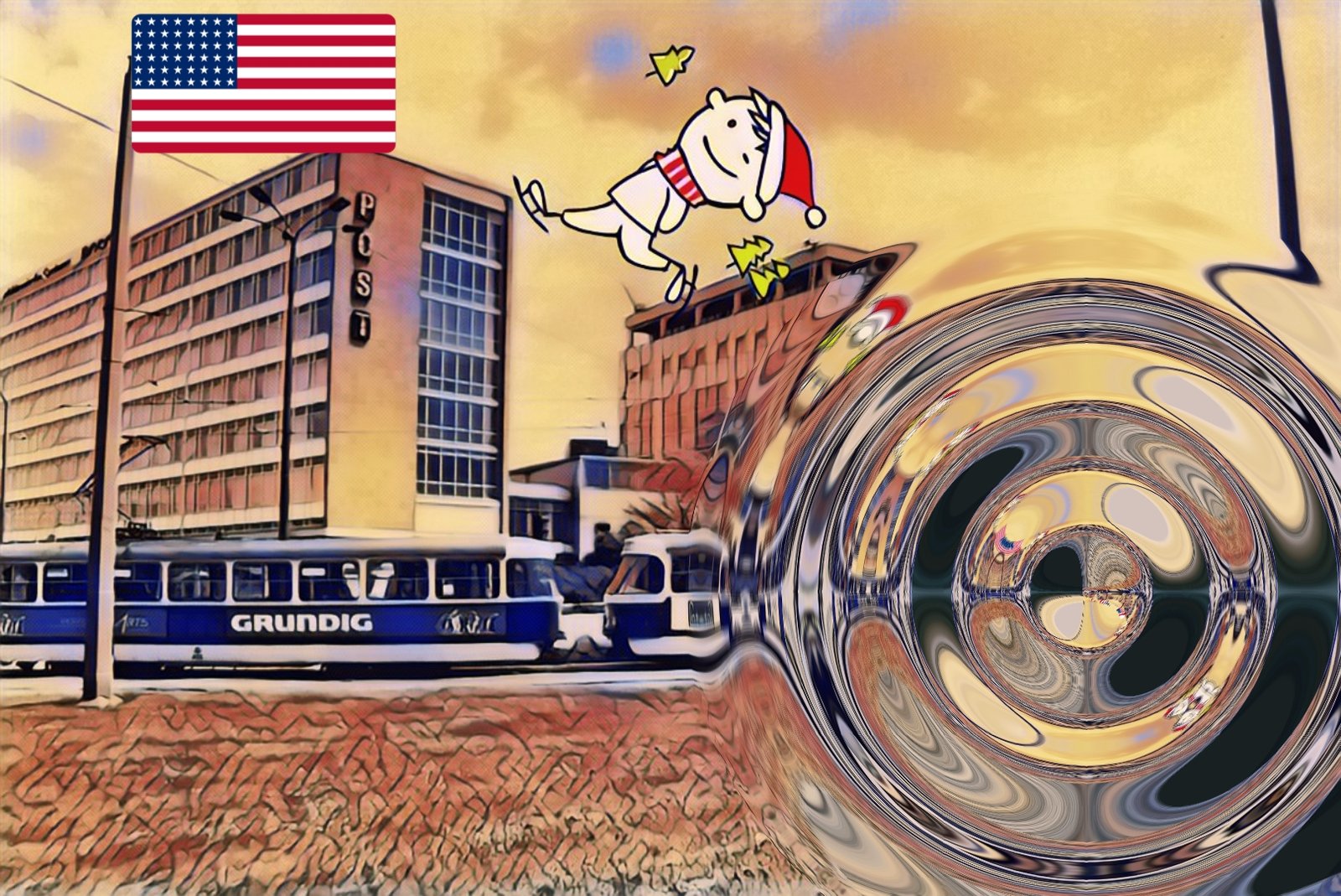
One of Vollborn’s NFT projects is called ZEITGEIST91 (www.zeitgeist91.com), which is a digital collection of images from the first decade of German reunification. The images show scenes from everyday life, politics, culture, and history of Germany between 1991 and 2001. With this project, Vollborn wants to keep alive the memory of this time period and make an artistic contribution to German identity.
ZEITGEIST91 is a unique NFT edition that combines blockchain technology with art from the real world. The images are based on original photos and sculptures by Marita Vollborn that capture the spirit of the 1990s in Germany. The NFTs are minted on the Ethereum network and can be purchased on platforms such as OpenSea or Rarible. Some examples of the images are:
– **Die Mauer** (The Wall) – A photo of a piece of the Berlin Wall that was torn down in 1989 and symbolized the end of the Cold War and the beginning of a new era.
– **Der Bundeskanzler** (The Chancellor) – A photo of Helmut Kohl, the longest-serving chancellor of Germany, who played a key role in the reunification process and the integration of Europe.
– **Die Künstlerin** (The Artist) – A photo of Marita Vollborn herself, posing with one of her sculptures made of paper clay and bronze.
Marita Vollborn is a versatile and visionary artist who uses different media and techniques to express her ideas and emotions. Her artworks are not only beautiful, but also meaningful and relevant. She invites the viewer to engage with her artworks and reflect on their own values and beliefs. She is also an innovative and adventurous artist who embraces new technologies and opportunities to create and share her artworks with the world. She is a critical and creative artist who challenges herself and her audience to think and feel.
Source: ChatGPT-4 , 28.9.2023
(1) Marita Vollborn – Wikipedia. https://de.wikipedia.org/wiki/Marita_Vollborn.
(2) Provokant, Klassisch, Digital: Kritische Kunst von Marita Vollborn. https://www.kunstmelder.de/2023/08/14/provokant-klassisch-digital-kritische-kunst-von-marita-vollborn/.
(3) Freedom 2021.1 – Sinn und Scherben | OpenSea. https://opensea.io/de-DE/assets/ethereum/0x495f947276749ce646f68ac8c248420045cb7b5e/105615228091736436910695968411395425794565690672177444720291627236040147730433.